Want to help someone you love walk, balance and do more for themselves again?
Neuro Rehabilitation on Koh Lanta
After a stroke, with Parkinson's, spinal cord injury, Bell's palsy, numb hands and feet or vertigo. Your physiotherapist trains movement and balance step by step, at the clinic or at home.
- Free 30-min first consultation
- Licensed physiotherapists
- Insurance claim documents

Does this sound like you?
- One arm or leg is weak after a stroke
- Walking is slower, with short steps, or needs someone to help
- Balance is poor, with falls or fear of falling
- One side of the face droops, the eye won't fully close
- Numbness or burning in the hands and feet
- The room spins when getting up or turning your head
Why not just wait it out?
The nervous system recovers best with regular, well-guided practice. Starting early and keeping it up helps regain as much everyday function as possible and lowers the risk of falls.
If even one of these fits, start with a free 30-minute consultation. No charge.
Book a free consultationWhat makes LantavaFix different
Cause first
A proper history and examination every time, not just treating where it hurts
60–90 minute sessions
Enough time for assessment, hands-on treatment, equipment and exercises in one visit
Progress measured
Pain score and progress recorded each visit, so you can see how much you improve
Exercises in an app
Your programme on Physitrack with videos to follow at home or while travelling
Your first visit
- 1
Talk it through
Where it hurts, how long, and what makes it better or worse
- 2
Find the cause
Movement, muscle strength and nerve tests
- 3
Treatment starts
Hands-on and equipment-based treatment from the first visit
- 4
Your plan
Exercises to do, how many visits to expect, and what to avoid
Read about each condition
Your physio assesses strength, balance and walking at every visit and sets goals with you and your family. If travelling to the clinic is difficult, we offer home visits on Koh Lanta. Pick the topic that matches you below.
1Stroke rehab
What it feels like
One arm or leg is weak or stiff, making sitting up, walking or using the hand difficult after a stroke.
How we treat it
We train the weaker arm and leg, use electrical stimulation where suitable, practise getting up, standing, walking and daily tasks, and teach family members how to help.
See a doctor if
New symptoms such as facial droop, slurred speech, new weakness or a sudden severe headache. Go to hospital immediately.
2Walking again (gait training)
What it feels like
Slow walking, short steps, dragging a foot, unsteadiness, or still needing a walking aid.
How we treat it
We analyse your walking, strengthen the legs and weight-bearing, practise uneven ground and stairs, and choose the right walking aid.
See a doctor if
Walking gets worse quickly over a few days, or new neurological symptoms appear.
3Balance & fall prevention
What it feels like
Feeling unsteady, wobbling when changing position, having fallen or being afraid to.
How we treat it
We test balance and fall risk, train balance and strength that are realistic at home, and advise on making the home safer.
See a doctor if
A fall with a head injury, fainting or blacking out, or falls becoming more frequent without a clear reason.
4Parkinson's
What it feels like
Slow movement, short steps, stiffness, trouble starting to walk or turning, and a higher risk of falls.
How we treat it
We train longer steps using cues, balance, flexibility and getting out of bed or a chair, to keep everyday abilities.
See a doctor if
Symptoms change unusually fast, falls increase, or swallowing becomes difficult. Ask your neurologist about medication.
5Spinal cord injury
What it feels like
Weakness or numbness in the legs or arms after a spinal cord injury, with difficulty moving or balancing.
How we treat it
We strengthen what is working, train sitting and standing balance, transfers and the use of aids, matched to the level of injury.
See a doctor if
Pressure sores, fever, a severe headache with high blood pressure, or worsening weakness.
6Facial weakness (Bell's palsy)
What it feels like
One side of the face is weak, the eye does not fully close, the mouth droops, and smiling or blowing is uneven.
How we treat it
We activate and train the facial muscles correctly, teach mirror exercises for home, and show you how to protect the eye that does not close.
See a doctor if
See a doctor for the diagnosis first, and go to hospital immediately if there is also arm or leg weakness or slurred speech, as it may be a stroke.
7Numb hands & feet (peripheral neuropathy)
What it feels like
Numbness, pins and needles or burning in the hands and feet, usually both sides, sometimes with poor balance or clumsy hands.
How we treat it
We test sensation and balance, train balance, strength and hand use, and advise on foot care and footwear.
See a doctor if
Numbness spreads quickly, weakness increases, a foot wound won't heal, or the cause, such as diabetes, has never been checked.
8Spinning dizziness (BPPV vertigo)
What it feels like
Brief spinning lasting seconds when getting up, rolling over in bed or looking up.
How we treat it
We use positional tests to confirm BPPV, then repositioning manoeuvres to settle the spinning, plus balance exercises for home.
See a doctor if
Constant dizziness, severe headache, double vision, slurred speech, weakness, or sudden hearing loss. Go to hospital immediately.
Equipment and methods we use
Your physiotherapist chooses what suits you after the assessment
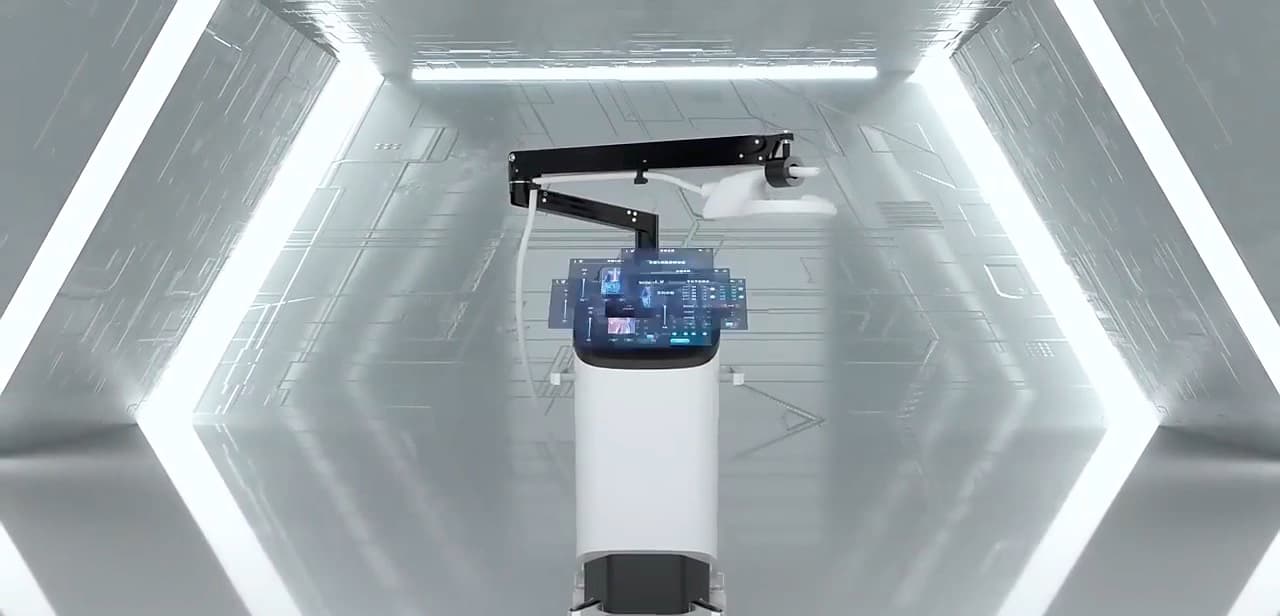
Electromagnetic stimulation (PMS)
Magnetic pulses through clothing: fast pain relief, e.g. sciatica and knee osteoarthritis, and wakes up weak nerves and muscles, e.g. after a stroke
Learn more
Electrical stimulation
Gentle current to ease pain or wake up weak muscles
Learn more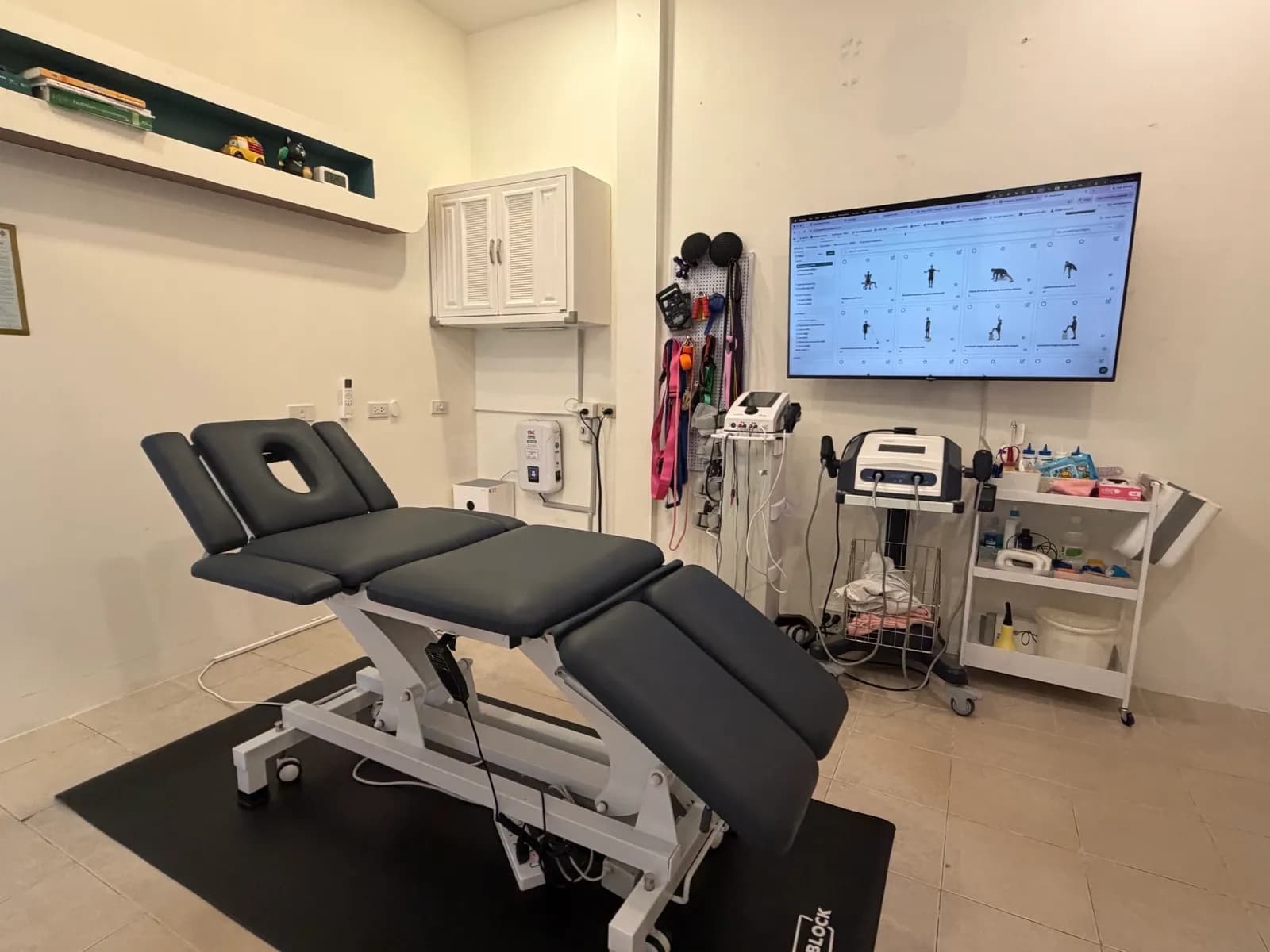
Functional training
Practise real moves: walking, stairs, lifting, sport

Home exercise plan
Exercises to keep improving between visits
Who will treat you
PT Suttida Chooluan
Physiotherapist · licensed by the Physical Therapy Council of Thailand
Treats both local patients and travellers, in Thai and English
View profileChoose your service when booking
Free consultation, 30 min
Not sure yet? A physio assesses you and suggests a plan, at no charge
Book a free consultationPhysiotherapy, 60–90 min
Assessment, hands-on and equipment-based treatment, and a personal exercise plan in one visit
Book for thisInsurance claim documents are issued right after payment
Inside the clinic


486/2 Moo 3, Sala Dan, Ko Lanta, Krabi 81150, Thailand Open Mon–Sat, 9:00 AM – 7:00 PM
Frequently asked questions
Do you offer home visits?
Yes, we provide physiotherapy at home on Koh Lanta. Message us to ask and arrange a time.
The stroke was a long time ago. Can training still help?
Yes. Even years later, movement can improve with the right training. Your physio assesses you and sets realistic goals together with you.
Should family come too?
We recommend it for the first visit, so they can learn how to help with exercises and care safely at home.
Can I claim from insurance?
The clinic issues insurance claim documents right after payment. Coverage depends on your policy.
Want to help someone you love walk, balance and do more for themselves again?
See a physiotherapist on Koh Lanta
Your condition is already selected on the booking page, just pick a time. Or message us first.
This page is general information, not a diagnosis. For severe or emergency symptoms, see a doctor immediately.