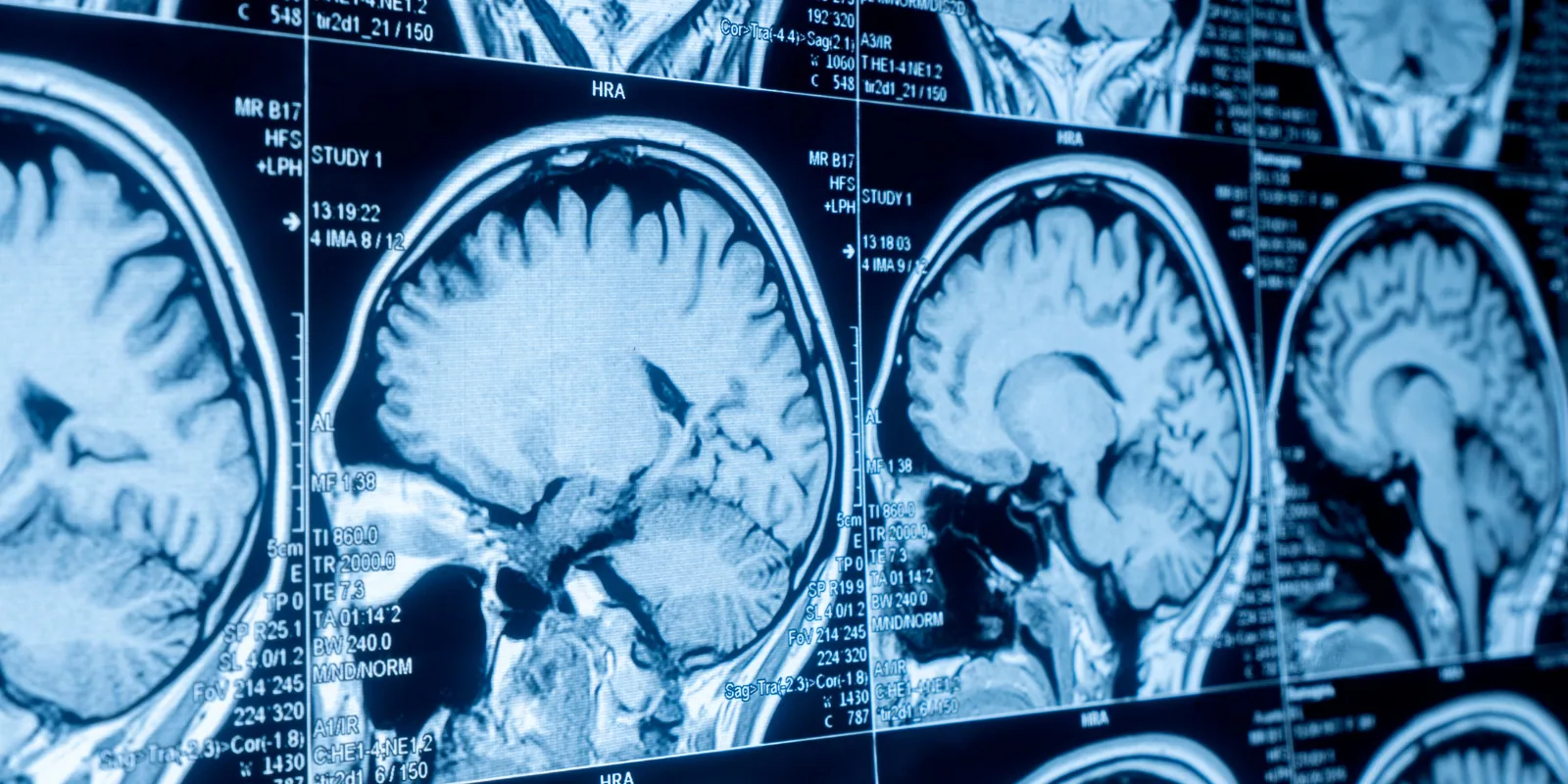
Do You Need an MRI, Ultrasound Imaging, or Blood Test Before Physiotherapy?
Many people worry they need a scan or blood work before booking a physio appointment. Short answer: usually not. Here's when it actually matters.
A lot of people hesitate to see a physiotherapist because they assume they need an MRI or blood test first — which just adds cost and delay. This article clarifies how necessary that actually is.
For general muscle, joint, or tendon pain, you don't need a scan or blood test before seeing a physiotherapist. Physiotherapists are trained to assess and diagnose most musculoskeletal issues directly through history-taking and physical examination — unless certain "red flags" are present (see below).
Why Scanning First Isn't Always Necessary
Scans like MRI very commonly show abnormalities — such as disc bulges or degeneration — in people who have no pain at all. Research has found that a large proportion of people with zero back pain still show "abnormal" findings on MRI.[2]
That means what shows up on a scan doesn't always explain the pain you're actually experiencing. An accurate diagnosis needs a physical examination alongside any imaging.
International clinical guidelines for back pain, such as those published in the BMJ, therefore recommend against routine imaging unless red flags suggest a more serious underlying condition.[1]
So When Should You Get Tested First?
Red Flags: See a Doctor or Get Tested First
• A history of cancer, or suspicion of a tumor
• Unexplained weight loss alongside the pain
• Fever, or suspected infection alongside the pain
• Significant trauma with suspected fracture
• Severe night pain that doesn't ease with rest
• Worsening numbness or weakness, or loss of bladder/bowel control — seek emergency care immediately
• No improvement after 4–6 weeks of appropriate physiotherapy
If any of these are present, your physiotherapist should refer you to a doctor for further testing — not continue treatment without addressing the risk.
MRI, Ultrasound Imaging, Blood Tests — What Each Is Actually For
MRI
Provides detailed imaging of deep structures — spinal discs, nerves, ligaments inside a joint. Best suited when a more serious condition is suspected, or when conservative treatment (physiotherapy) hasn't helped after an appropriate trial period.
Ultrasound Imaging (2D MSK Ultrasound)
Well suited to soft tissue — tendons, muscles — viewed in real time, faster and considerably cheaper than MRI, with no enclosed scanner involved.[3]
The trade-off: results are highly dependent on the operator's skill, and it doesn't visualize deep structures or bone as well as MRI.[3]
Blood Tests
Not needed for typical mechanical muscle or joint pain. They're useful when an inflammatory or autoimmune condition is suspected — rheumatoid arthritis, gout, or a joint infection — which usually comes with other signs, like multiple hot, swollen joints or fever.
Quick Guide: Do You Need Testing First?
| Symptoms | Medical Examination Required? |
|---|---|
| Muscle/Joint pain in general without warning signs | Not required |
| Pain after posture/lifting without numbness/weakness | Not required |
| Suspected tendon tear requiring surgical planning | May be required (MRI/Ultrasound) |
| Numbness, worsening weakness, loss of bowel/bladder control | Required (See emergency physician) |
| No improvement after physiotherapy for 4–6 weeks | Should see physician for evaluation |
LantavaFix Physiotherapy Clinic Koh Lanta
Our physiotherapists will always conduct a thorough assessment of your condition before beginning treatment, and will communicate directly and honestly if we find signs that should be referred to a doctor for further examination. You do not need to come with scans or blood tests done beforehand on your own.
References
- [1] Hall, A. M., Aubrey-Bassler, K., Thorne, B., & Maher, C. G. (2021). Do not routinely offer imaging for uncomplicated low back pain. BMJ, 372, n291. https://doi.org/10.1136/bmj.n291
- [2] Jensen, M. C., Brant-Zawadzki, M. N., Obuchowski, N., Modic, M. T., Malkasian, D., & Ross, J. S. (1994). Magnetic resonance imaging of the lumbar spine in people without back pain. New England Journal of Medicine, 331(2), 69–73. https://doi.org/10.1056/NEJM199407143310201
- [3] Lento, P. H., & Primack, S. (2008). Advances and utility of diagnostic ultrasound in musculoskeletal medicine. Current Reviews in Musculoskeletal Medicine, 1(1), 24–31. https://doi.org/10.1007/s12178-007-9002-3
This article is written for general information purposes and is not medical advice. If you have any concerns about your symptoms, you should consult a physiotherapist or doctor directly.