LantavaFix Clinic
Shockwave Therapy
Treat Deeper. Faster. Easier.
Revolutionize recovery with Extracorporeal Shockwave Therapy (ESWT). Induce cellular proliferation, migration, and regeneration to treat musculoskeletal conditions.
Book Now
Extracorporeal
Shockwave Therapy (ESWT)
Can address pain and tissue repair associated with:
Key Indications
- Musculoskeletal conditions including chronic tendinopathies and Myalgia
- Osteoarthritis
- Spasticity
- Wounds and ulcers *
- Urology *
(*Focus Shockwave indicated)
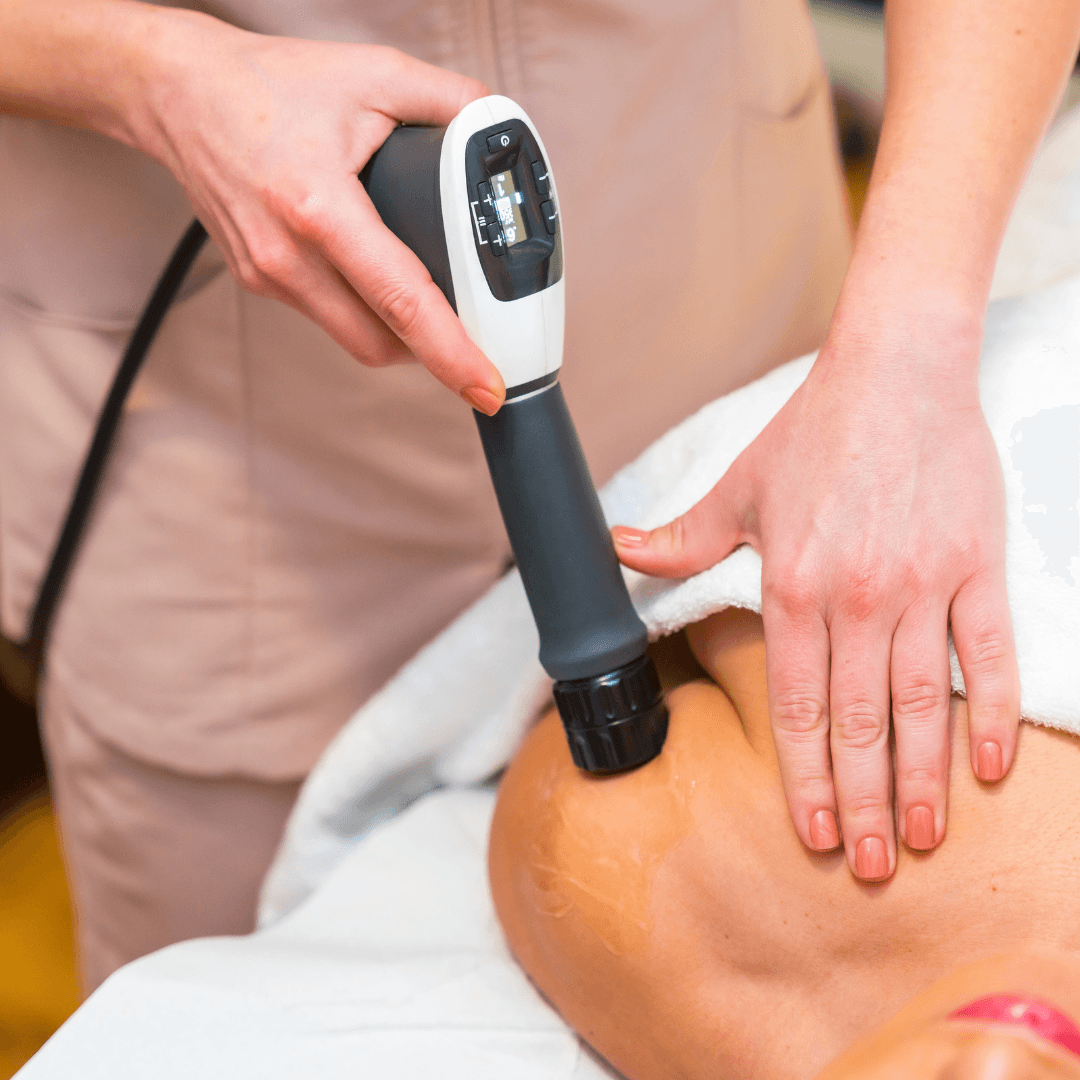
How does it work?
A shockwave has two physical effects: the direct generation of mechanical forces (primary effect), and the indirect generation of mechanical forces by cavitation (secondary effect).
The primary effect is created by a sharp rise in positive pressure and the secondary effect during the resulting negative phase (tensile phase).
Secondary effect: Cavitation
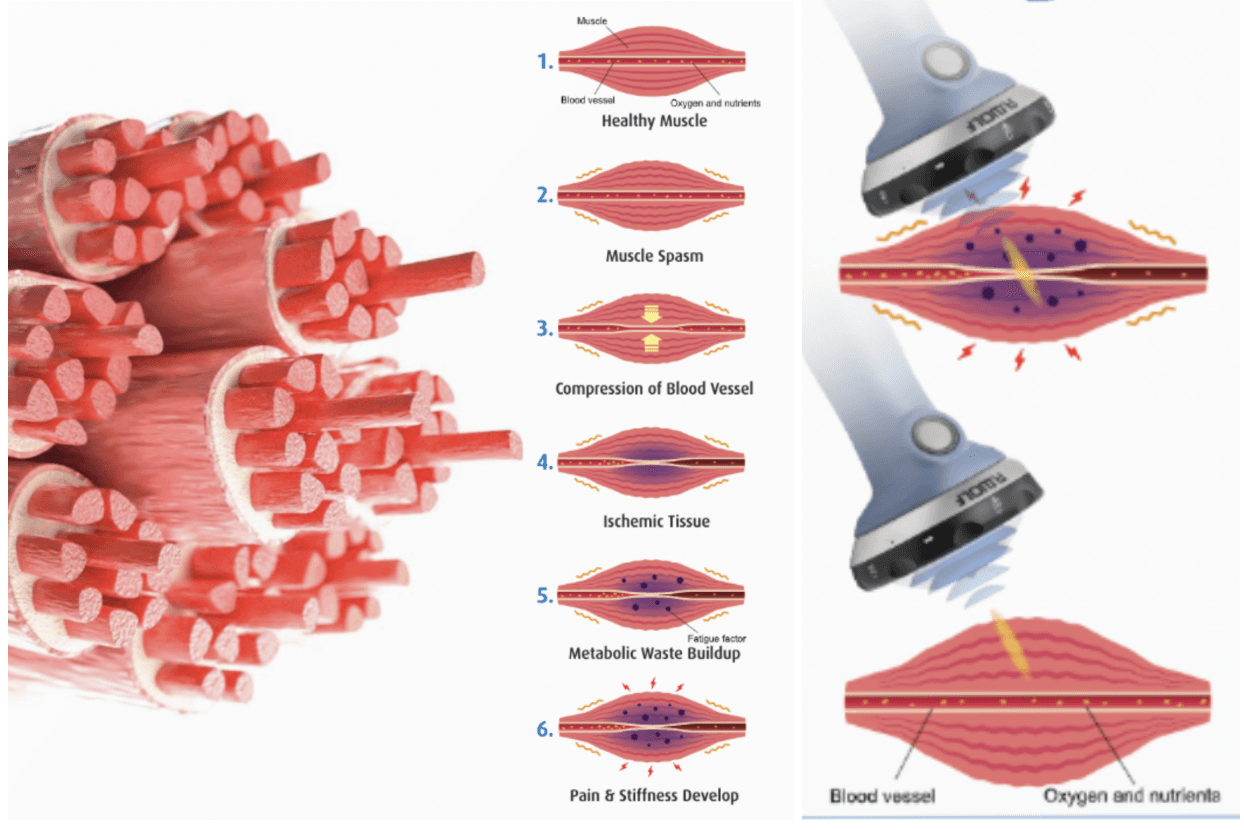
The rapid formation, expansion, and subsequent implosion of air bubbles due to negative pressure. Acoustic cavitation breaks calcific deposits, excites nerves, stimulates axons, and reduces pain.
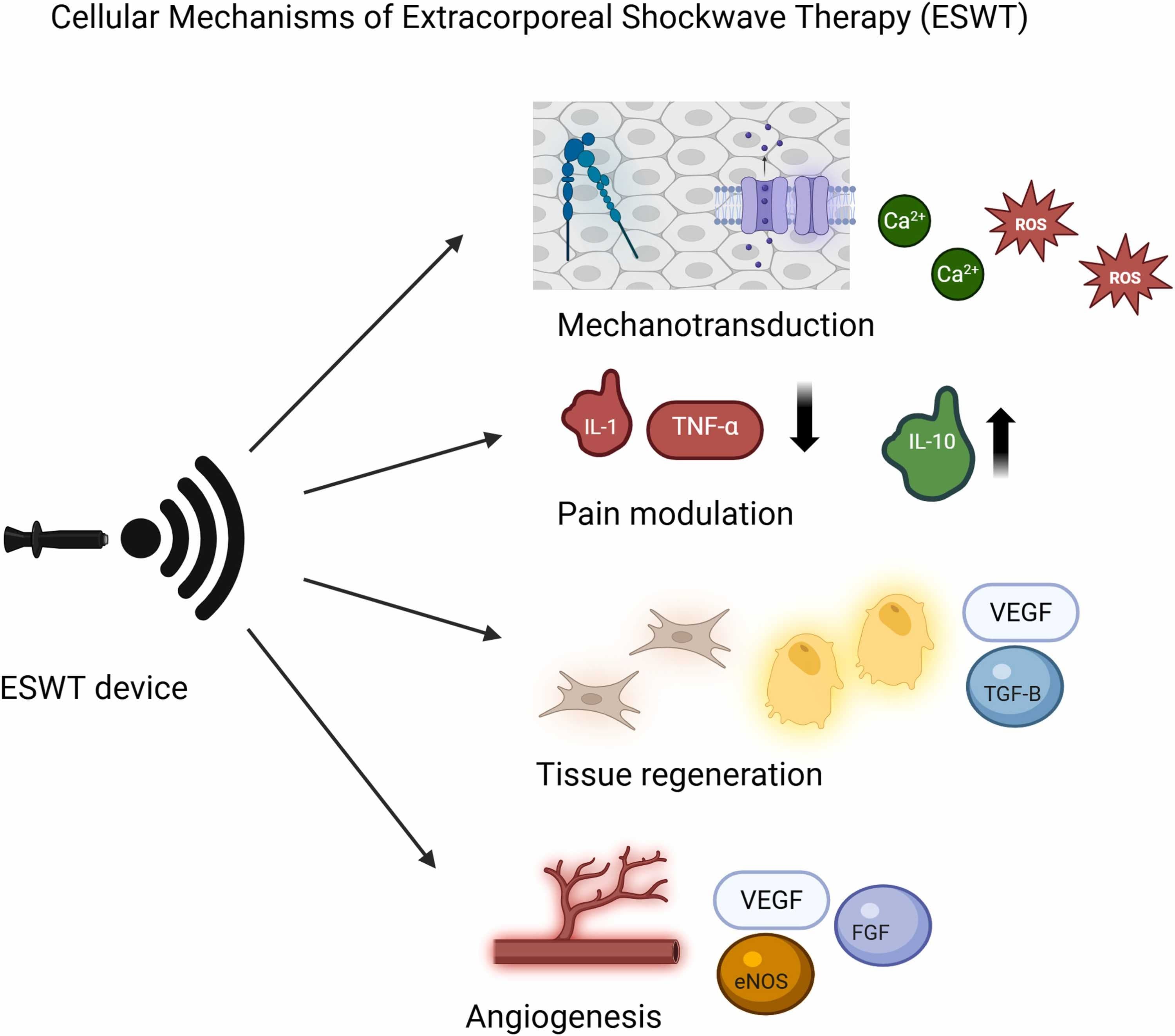
Mechanotransduction
Cells react to pressure changes — converting mechanical stimuli into cellular responses. This results in increased cell proliferation, differentiation, angiogenesis, collagen synthesis, and expression of TGF-1 and MMP molecules.
Benefits
Shockwaves induce proliferation, migration, differentiation and apoptosis of cells, contributing to tissue healing and regeneration.
Physiological effects:
Energy Flux Density (EFD)
Therapeutic effect depends on energy distribution over a given area (mJ/mm²). Transmitter shape, design, and material determine EFD and targeted tissular effects.
Clinical Evidence & Data
Significant long-term improvements in VAS pain scores across various pathologies.
Lateral Epicondylitis
Long-term improvement of pain and function with Radial Shockwave (RSWT).
Low Back Pain
Reduced low back pain long-term with RSWT + physical therapy.
Return to Sport (ACL)
Better return-to-sport and graft maturation with post-op Focus Shockwave.
Plantar Fasciitis
Focus Shockwave effective in relieving chronic heel pain.
Frequently Asked Questions
Shockwave therapy can take a chronic condition back to acute, rebooting a stalled healing process. Minor side effects such as heat, redness, and soreness are not common and typically last only a few days.
A typical session involves ~2000 shocks at 10-15Hz. Treating a single area takes only 2-3 minutes, providing an analgesic effect for more effective manual therapy afterward.
Research states 3-5 sessions are typical. Systematic reviews indicate up to 89% positive outcomes after just 3 sessions, delivered once per week.
Yes. When shockwave is combined with exercise or manual therapy, clinical outcomes are significantly superior to using either intervention alone.
Scientific References
Ready to Start Your Recovery?
Book a consultation with our physiotherapists and discover how Shockwave Therapy can help you.