Is back pain getting in the way of work, sleep or your holiday?
Back Pain Physiotherapy on Koh Lanta
Lower back pain, slipped disc, pain down the leg or stiffness after travelling. Your physiotherapist finds the cause first and starts treating it at your very first visit.
- Free 30-min first consultation
- Licensed physiotherapists
- Insurance claim documents

Does this sound like you?
- Your lower back aches after sitting or driving for a while
- You wake up stiff and have to ease yourself out of bed
- Bending to put on shoes or lifting something gives a sharp pain
- Pain spreads into your buttock or leg, sometimes with numbness
- Painkillers only help for a few hours
- Your back has been stiff since the long flight here
Why not just wait it out?
Back pain left alone often makes you move less without noticing. Back and core muscles weaken, joints stiffen, and the pain comes back more easily. Finding the cause early tells you how to move and what to avoid.
If even one of these fits, start with a free 30-minute consultation. No charge.
Book a free consultationWhat makes LantavaFix different
Cause first
A proper history and examination every time, not just treating where it hurts
60–90 minute sessions
Enough time for assessment, hands-on treatment, equipment and exercises in one visit
Progress measured
Pain score and progress recorded each visit, so you can see how much you improve
Exercises in an app
Your programme on Physitrack with videos to follow at home or while travelling
Your first visit
- 1
Talk it through
Where it hurts, how long, and what makes it better or worse
- 2
Find the cause
Movement, muscle strength and nerve tests
- 3
Treatment starts
Hands-on and equipment-based treatment from the first visit
- 4
Your plan
Exercises to do, how many visits to expect, and what to avoid
Read about each condition
Most back pain comes from muscles, joints or discs and improves with physiotherapy. Pick the topic that matches your symptoms below to read what it feels like, how we treat it, and when to see a doctor first.
1Lower back pain
What it feels like
Pain or tightness around the waist and lower back, often worse after sitting, bending, lifting or first thing in the morning. For some people it comes and goes for months.
How we treat it
We check posture and how your back, hips and core move, ease pain with hands-on treatment and equipment, then teach strengthening exercises to lower the chance of it coming back.
See a doctor if
The pain started after an accident or hard fall, you have a fever or unexplained weight loss, or the pain is severe at night even when resting.
2Slipped disc (herniated disc)
What it feels like
Back pain with pain spreading into the buttock or leg, sometimes with numbness or pins and needles. Coughing, sneezing or bending forward makes it worse.
How we treat it
We find which positions ease or aggravate your symptoms, use manual therapy, traction or equipment where suitable, and exercises that take pressure off the nerve, plus advice on sitting, standing and lifting.
See a doctor if
Leg weakness keeps getting worse, you have numbness around the buttocks or groin, or you lose control of your bladder or bowels. Go to hospital immediately.
3Pain down the leg (sciatica)
What it feels like
Sharp or burning pain from the buttock down the back of the thigh or calf, usually on one side and worse after sitting.
How we treat it
We work out whether the nerve is irritated at the spine, hip or buttock muscles and treat the source, together with nerve gliding exercises and changes to how you sit and move during the day.
See a doctor if
The leg pain is so severe you cannot walk, your foot becomes weak or drops, or you have numbness around the buttocks with bladder or bowel problems.
4Leg numbness or tingling (nerve compression)
What it feels like
Numbness, tingling or pins and needles in the leg or foot, sometimes with back pain and sometimes without.
How we treat it
We test sensation, muscle strength and reflexes to find the level where the nerve is compressed, then reduce the pressure with treatment and exercises, and track whether the numbness is shrinking at each visit.
See a doctor if
Numbness spreads to both legs, weakness gets worse quickly, or you have numbness without back pain and diabetes. A doctor should check further.
5SI joint pain
What it feels like
Pain in one spot at the top of the buttock, near the dimple above it. Worse on stairs, turning over in bed or standing on one leg.
How we treat it
We test the sacroiliac joint and hip to tell it apart from a disc problem, use manual therapy to restore joint movement, and train the hip and core muscles to support the joint better.
See a doctor if
Several joints are swollen and red, you are young and your back is stiff for more than an hour every morning, or you have a fever.
6Stiff after a long flight
What it feels like
A stiff, achy back that is hard to move after many hours on a plane or bus, often in your first days on the island.
How we treat it
We loosen tight muscles and joints with hands-on treatment and stretching, then give you simple exercises for the rest of your trip so you can stick to your plans.
See a doctor if
One leg is swollen, your calf hurts, or you are short of breath after long travel. This can be a blood clot, so go to hospital immediately.
Equipment and methods we use
Your physiotherapist chooses what suits you after the assessment
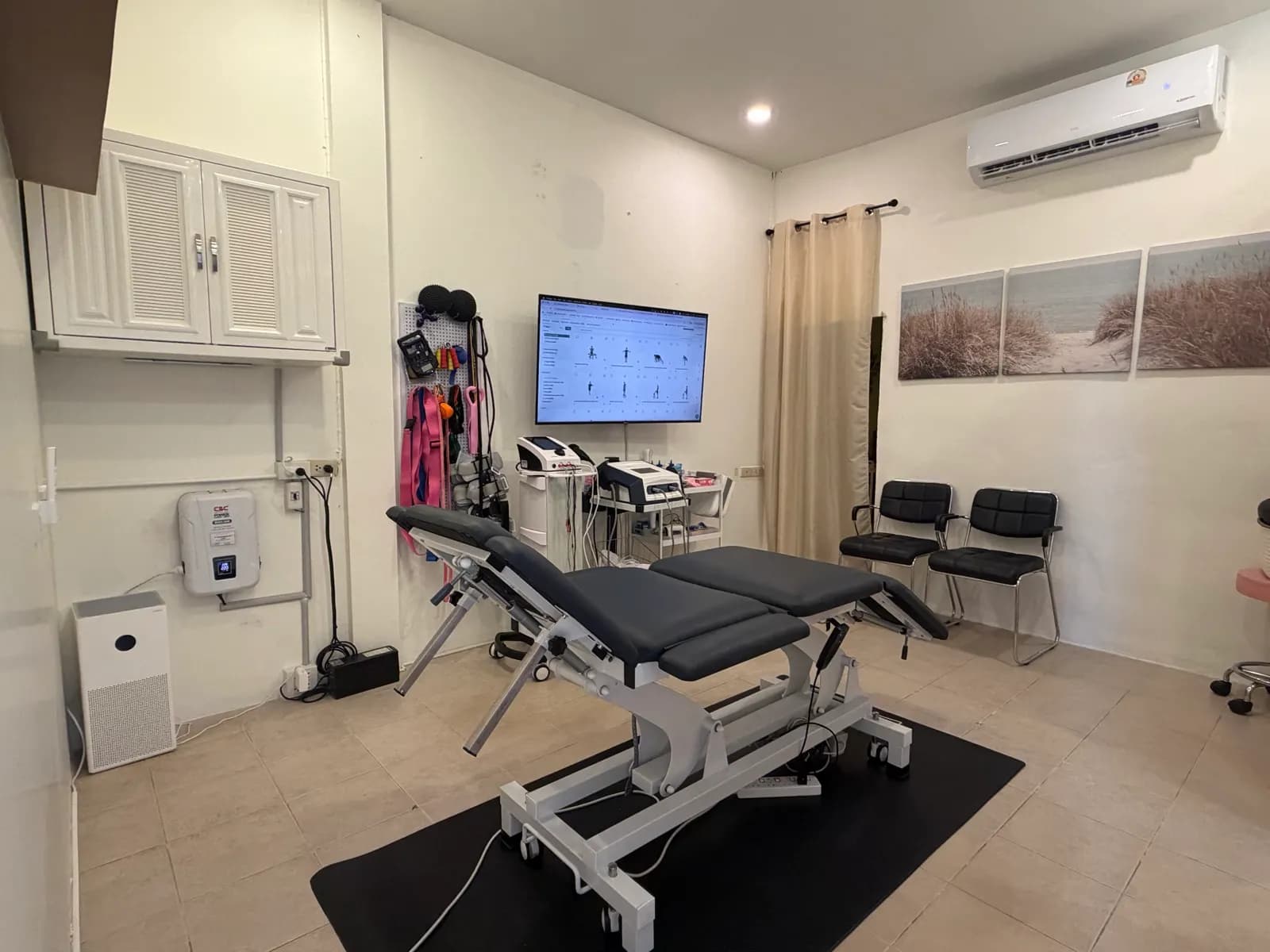
Manual therapy
Hands-on joint and muscle techniques
Learn more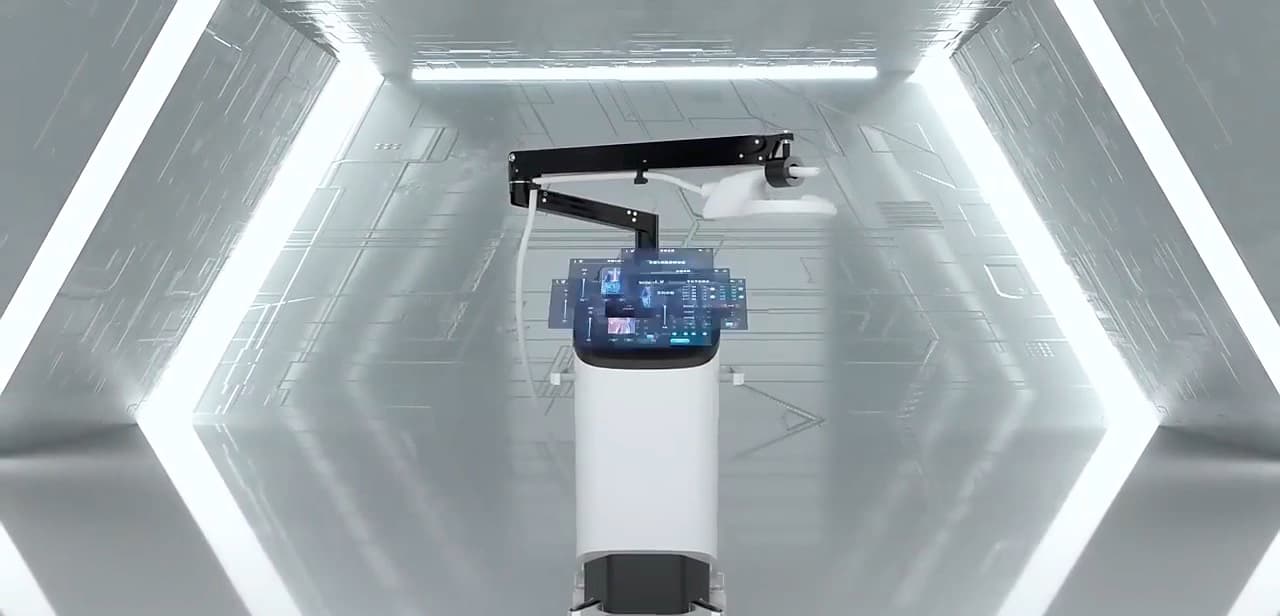
Electromagnetic stimulation (PMS)
Magnetic pulses through clothing: fast pain relief, e.g. sciatica and knee osteoarthritis, and wakes up weak nerves and muscles, e.g. after a stroke
Learn more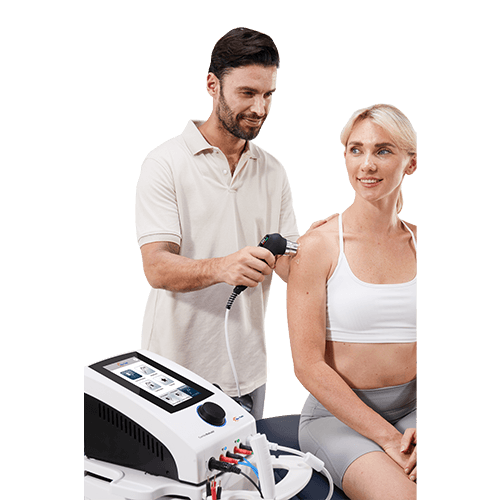
Ultrasound therapy
Sound waves to ease pain and help tissue heal
Learn more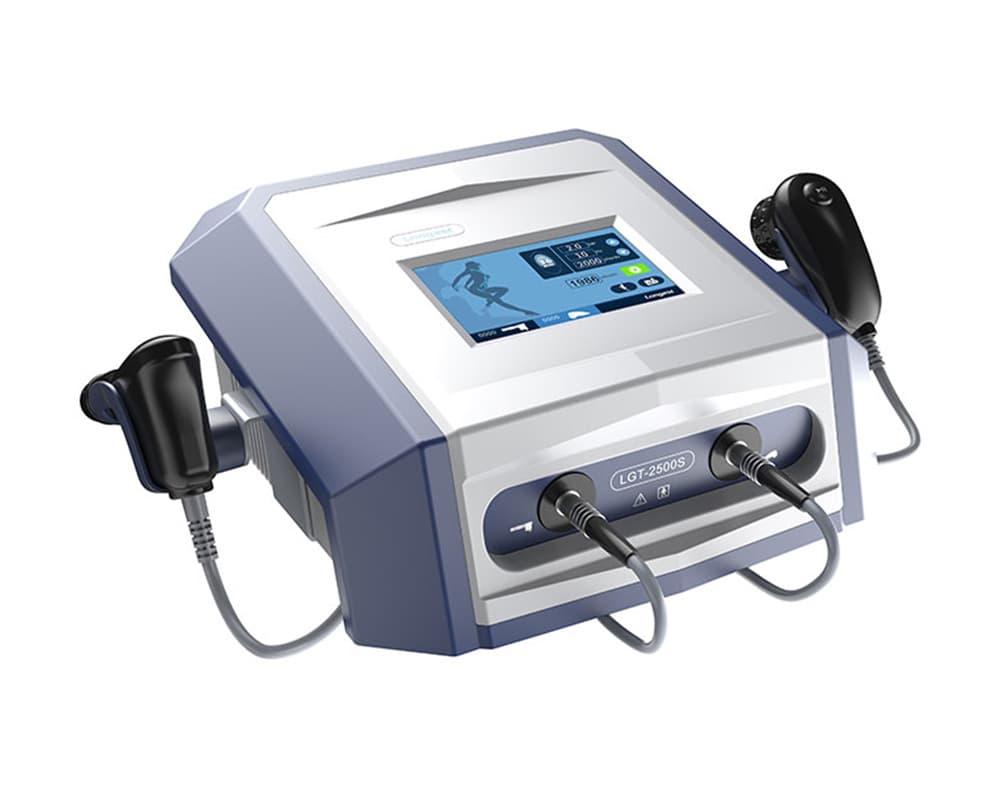
Shockwave therapy
Pressure waves for long-lasting tendon and heel pain
Learn more
Electrical stimulation
Gentle current to ease pain or wake up weak muscles
Learn more
Home exercise plan
Exercises to keep improving between visits
Who will treat you
PT Suttida Chooluan
Physiotherapist · licensed by the Physical Therapy Council of Thailand
Treats both local patients and travellers, in Thai and English
View profileChoose your service when booking
Free consultation, 30 min
Not sure yet? A physio assesses you and suggests a plan, at no charge
Book a free consultationPhysiotherapy, 60–90 min
Assessment, hands-on and equipment-based treatment, and a personal exercise plan in one visit
Book for thisInsurance claim documents are issued right after payment
Inside the clinic


486/2 Moo 3, Sala Dan, Ko Lanta, Krabi 81150, Thailand Open Mon–Sat, 9:00 AM – 7:00 PM
Frequently asked questions
Do I need an X-ray or MRI first?
Usually not. Your physiotherapist examines you first and will refer you to a doctor if anything needs further testing. Bring any scans or reports you already have.
Should I rest in bed?
A short rest during a bad flare can help, but staying in bed for days usually makes the back stiffer and slows recovery. Your physio will tell you how much movement is safe for you.
How many sessions will I need?
It depends on the cause and how long you have had it. After the first assessment your physio explains the plan and records your pain score each visit to check you are improving as expected.
Can I claim from insurance?
The clinic issues insurance claim documents right after payment. Coverage depends on your policy.
Is back pain getting in the way of work, sleep or your holiday?
See a physiotherapist on Koh Lanta
Your condition is already selected on the booking page, just pick a time. Or message us first.
This page is general information, not a diagnosis. For severe or emergency symptoms, see a doctor immediately.