Stiff neck, tight shoulders, or can't lift your arm all the way?
Neck & Shoulder Physiotherapy on Koh Lanta
Office syndrome, frozen shoulder, shoulder pain, arm numbness or headaches from a tight neck. Your physiotherapist finds the cause and gets you moving more freely from the first visit.
- Free 30-min first consultation
- Licensed physiotherapists
- Insurance claim documents
Does this sound like you?
- Your shoulders ache after time at the laptop or on your phone
- Turning or tilting your head feels tight or sharp
- You can't reach overhead, dress easily or reach behind your back
- You can't sleep on the painful shoulder
- Your arm or fingers go numb now and then
- A dull headache starts at the base of your skull
- Your jaw aches or clicks when you open your mouth or chew
Why not just wait it out?
Neck and shoulder pain left alone makes you tense up and move less, so the shoulder stiffens and muscles tighten further. It can turn into pain that returns every busy week. Treating it early gets your movement back sooner.
If even one of these fits, start with a free 30-minute consultation. No charge.
Book a free consultationWhat makes LantavaFix different
Cause first
A proper history and examination every time, not just treating where it hurts
60–90 minute sessions
Enough time for assessment, hands-on treatment, equipment and exercises in one visit
Progress measured
Pain score and progress recorded each visit, so you can see how much you improve
Exercises in an app
Your programme on Physitrack with videos to follow at home or while travelling
Your first visit
- 1
Talk it through
Where it hurts, how long, and what makes it better or worse
- 2
Find the cause
Movement, muscle strength and nerve tests
- 3
Treatment starts
Hands-on and equipment-based treatment from the first visit
- 4
Your plan
Exercises to do, how many visits to expect, and what to avoid
Read about each condition
Neck, shoulder blade and shoulder problems are often linked, so your physio checks all three to find where it starts. Pick the topic that matches you below.
1Neck pain & stiffness
What it feels like
Pain or tightness in the neck, with limited turning or tilting. Some people wake up with a stiff neck after sleeping awkwardly.
How we treat it
We check how your neck and shoulder blades move, release muscles and mobilise the neck joints by hand, use equipment for pain relief, and teach stretches and strengthening for the neck.
See a doctor if
The pain followed an accident, you have a fever with a stiff neck you cannot bend, or your arms or legs feel weak.
2Office syndrome (tech neck)
What it feels like
Aching shoulders, neck and shoulder blades from long hours at a desk or looking down at a phone, often worse in the afternoon.
How we treat it
We release trigger points and tight muscles, improve movement in the neck and upper back, advise on desk, screen and sitting set-up, and give short exercises to do during the day.
See a doctor if
You also have arm weakness, numbness that keeps spreading, or a severe headache unlike any before.
3Frozen shoulder
What it feels like
A painful, stiff shoulder that gradually loses the ability to lift, rotate or reach behind you, often worse at night.
How we treat it
We assess which stage you are in, ease pain with equipment, mobilise the shoulder gently by hand, and give daily exercises to regain range of motion at home.
See a doctor if
The pain started after a fall or hard knock, you cannot lift the arm at all, or you have poorly controlled diabetes.
4Shoulder pain (rotator cuff)
What it feels like
Pain at the side or front of the shoulder, worse when reaching overhead, lifting or lying on it.
How we treat it
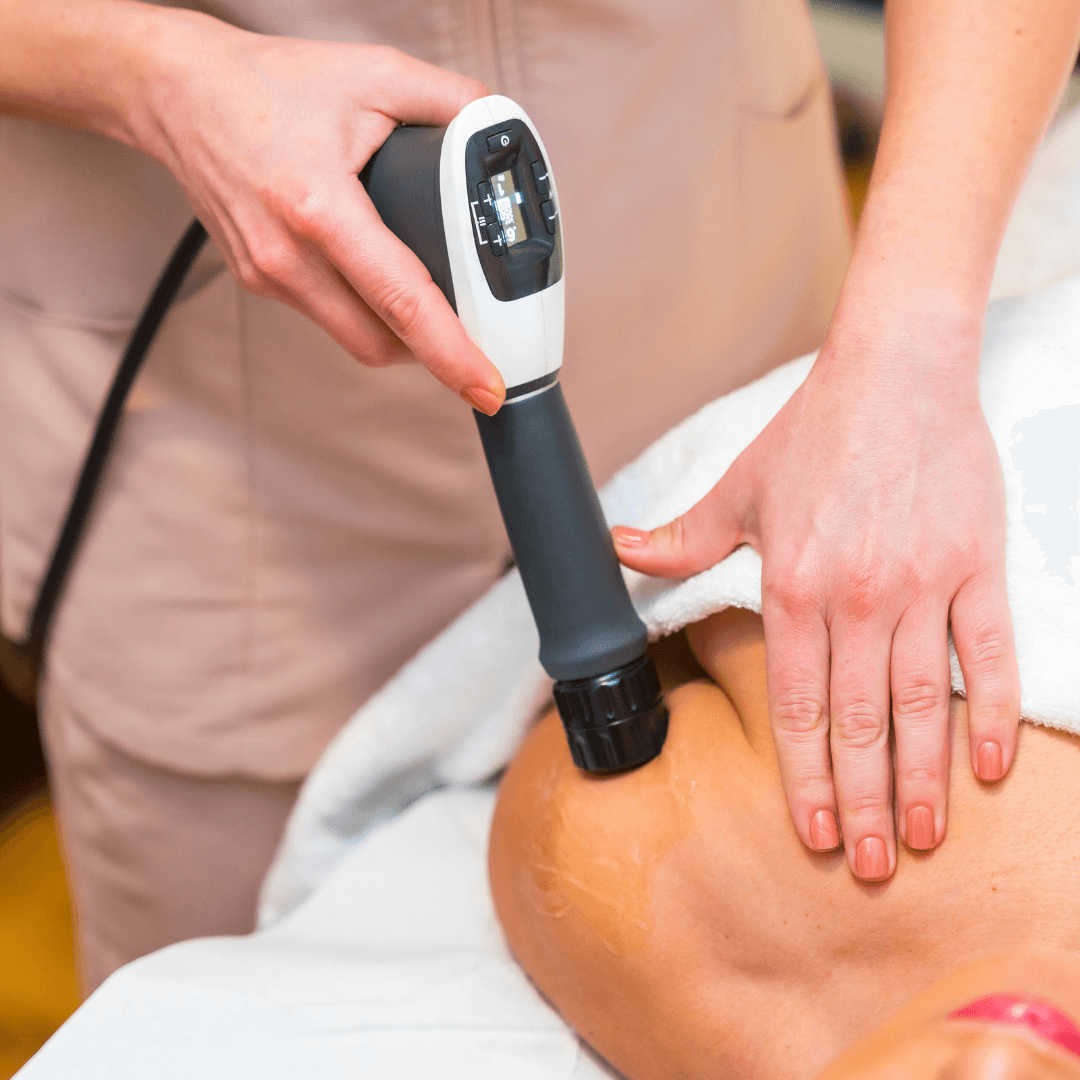
We test each rotator cuff tendon, calm irritation with ultrasound or shockwave where suitable, and strengthen the muscles around the shoulder and shoulder blade.
See a doctor if
You suddenly cannot lift the arm after an injury, the shoulder looks deformed, or the pain comes with chest pain or breathlessness.
5Arm numbness or tingling
What it feels like
Numbness, tingling or pain running from the neck into the arm, hand or fingers, sometimes worse at night or when looking up.
How we treat it
We test nerves and muscles to find whether the pressure is at the neck, shoulder or wrist, then reduce it with manual therapy, nerve gliding exercises and posture changes.
See a doctor if
Your hand or arm is so weak you drop things, both arms are numb, or you are also unsteady on your feet.
6Headache from neck tension
What it feels like
A dull headache that starts at the base of the skull and spreads to the temples or behind the eyes, usually with a tight neck.
How we treat it
We release the muscles under the skull and across the shoulders, mobilise the upper neck, and teach neck exercises and screen breaks.
See a doctor if
A sudden, severe headache unlike any before, or headache with fever, vomiting, blurred vision, slurred speech or weakness. Go to hospital immediately.
7Jaw pain (TMJ/TMD)
What it feels like
Pain in front of the ear or along the jaw, limited mouth opening, or clicking when chewing or yawning. Some people grind their teeth at night or have temple headaches too.
How we treat it
We examine how the jaw joint, chewing muscles and neck move, release the muscles by hand, use equipment for pain relief where suitable, and teach jaw exercises and muscle relaxation.
See a doctor if
The jaw locks open or shut, there is swelling, fever, a dental infection, or the pain followed a facial injury. See a dentist or doctor first.
Equipment and methods we use
Your physiotherapist chooses what suits you after the assessment
Manual therapy
Hands-on joint and muscle techniques
Learn more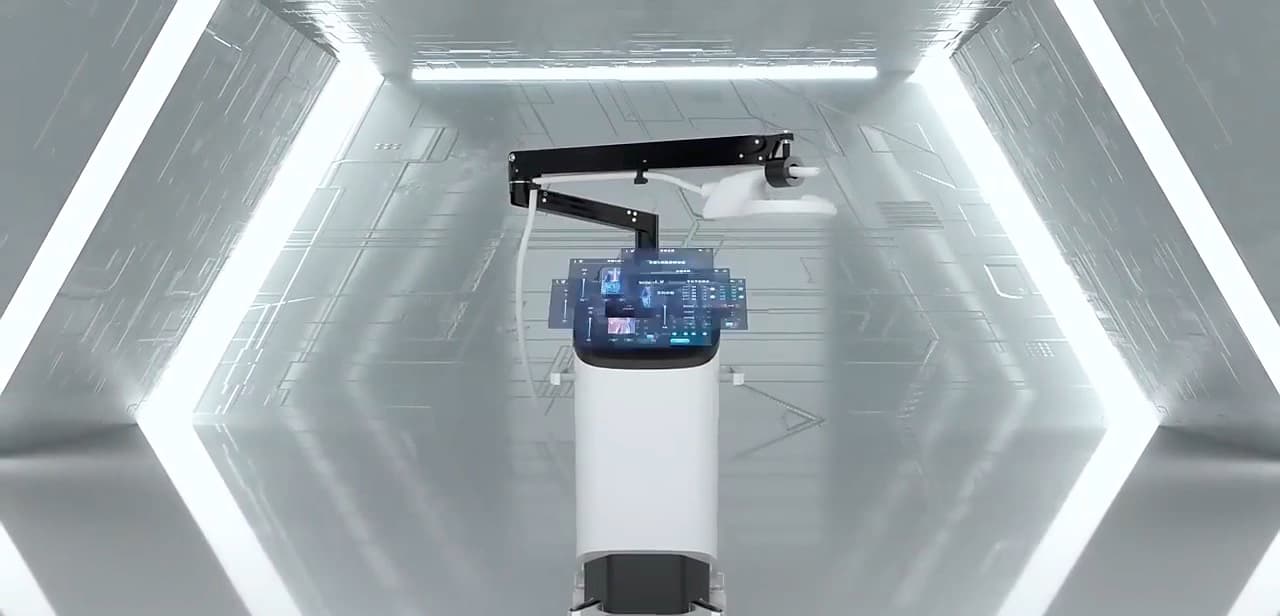
Electromagnetic stimulation (PMS)
Magnetic pulses through clothing: fast pain relief, e.g. sciatica and knee osteoarthritis, and wakes up weak nerves and muscles, e.g. after a stroke
Learn more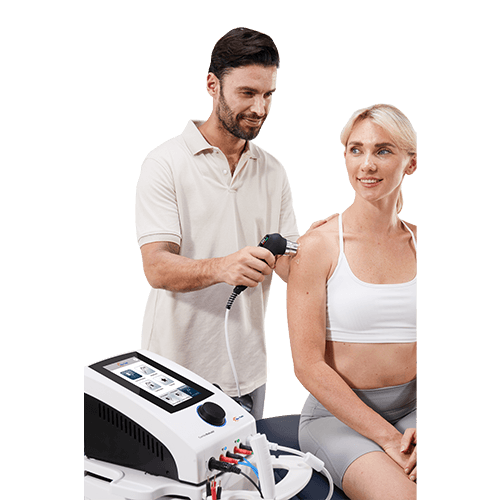
Ultrasound therapy
Sound waves to ease pain and help tissue heal
Learn more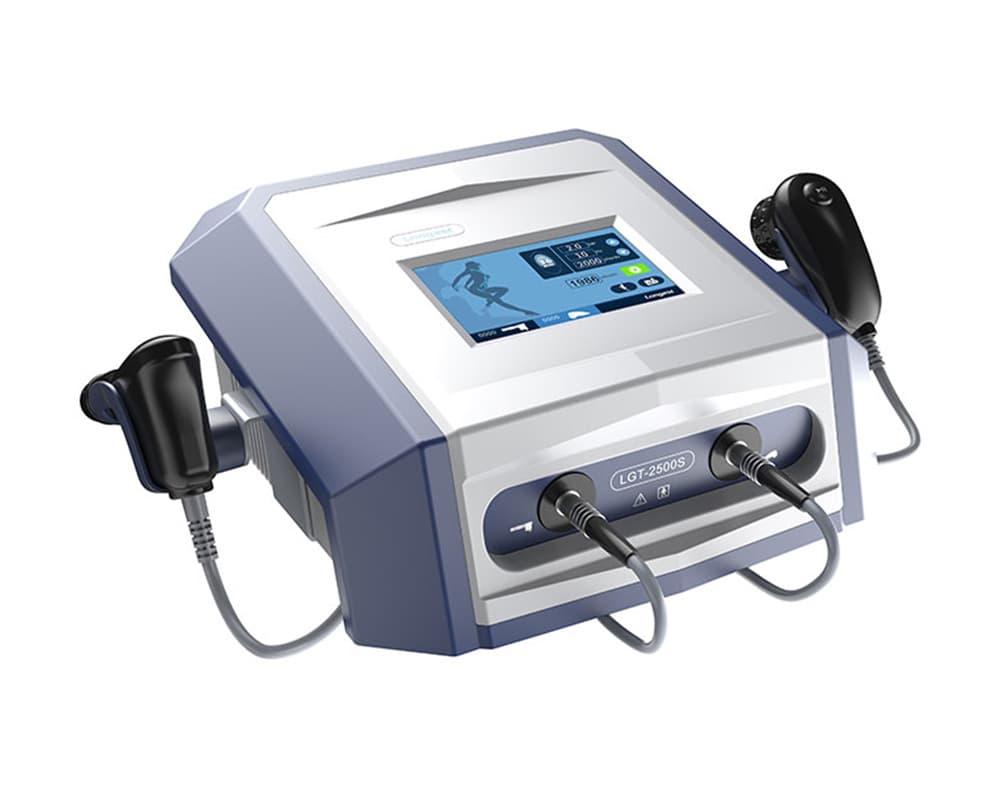
Shockwave therapy
Pressure waves for long-lasting tendon and heel pain
Learn more
Electrical stimulation
Gentle current to ease pain or wake up weak muscles
Learn more
Home exercise plan
Exercises to keep improving between visits
Who will treat you
PT Suttida Chooluan
Physiotherapist · licensed by the Physical Therapy Council of Thailand
Treats both local patients and travellers, in Thai and English
View profileChoose your service when booking
Free consultation, 30 min
Not sure yet? A physio assesses you and suggests a plan, at no charge
Book a free consultationPhysiotherapy, 60–90 min
Assessment, hands-on and equipment-based treatment, and a personal exercise plan in one visit
Book for thisInsurance claim documents are issued right after payment
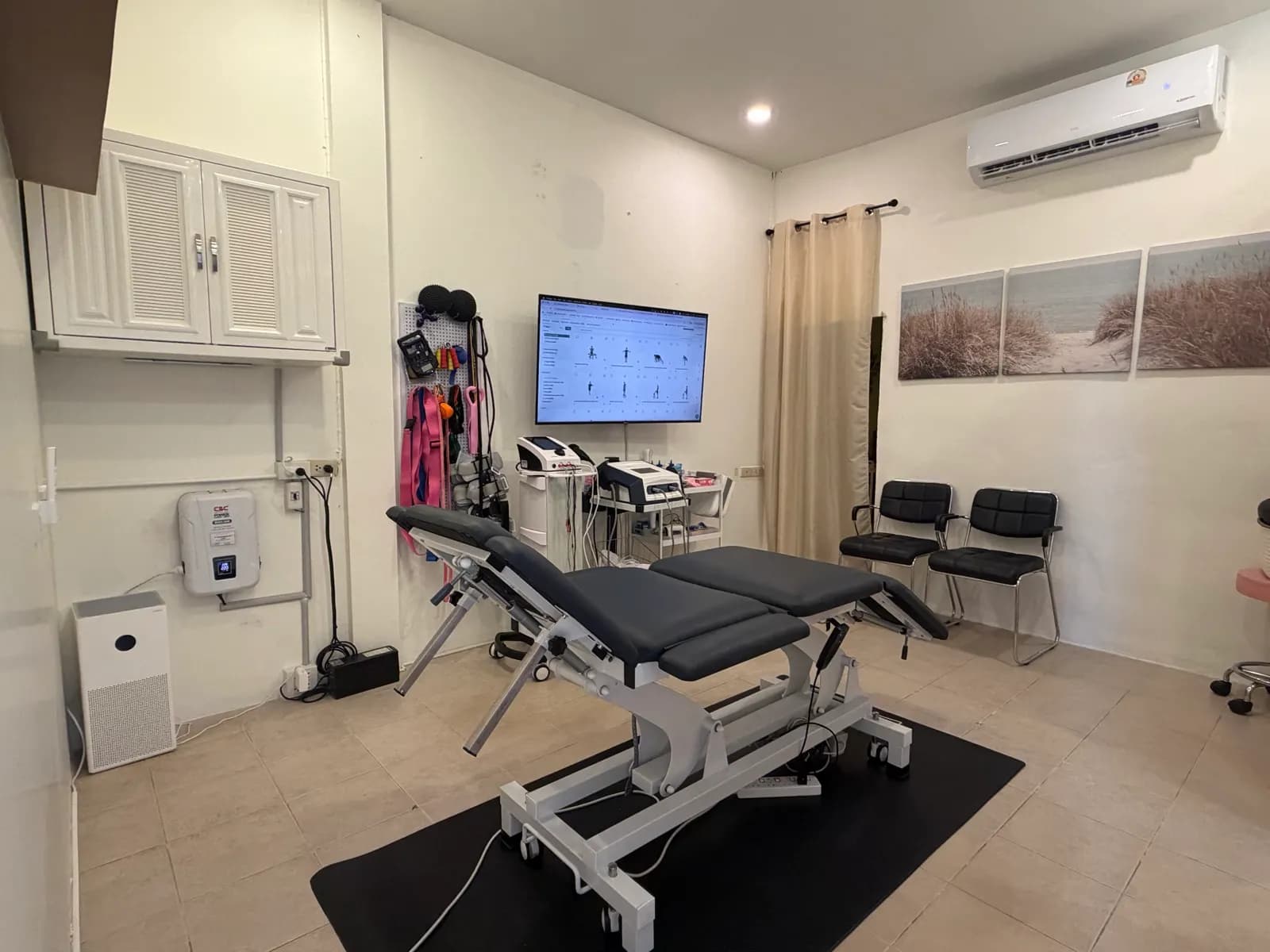
Inside the clinic


486/2 Moo 3, Sala Dan, Ko Lanta, Krabi 81150, Thailand Open Mon–Sat, 9:00 AM – 7:00 PM
Frequently asked questions
How long does frozen shoulder take?
It depends on the stage. Your physio measures your range of motion at the first visit and again each time, so progress is clear and the plan can be adjusted.
Do I need a new desk or chair?
Not always. Your physio will suggest changes to what you already have, such as screen height, arm support and regular breaks.
Isn't a massage enough?
Massage can ease tension for a while. Physiotherapy looks for the cause, such as joints or posture, and gives you exercises to lower the chance of the pain returning.
Can I claim from insurance?
The clinic issues insurance claim documents right after payment. Coverage depends on your policy.
Stiff neck, tight shoulders, or can't lift your arm all the way?
See a physiotherapist on Koh Lanta
Your condition is already selected on the booking page, just pick a time. Or message us first.
This page is general information, not a diagnosis. For severe or emergency symptoms, see a doctor immediately.