Hurt yourself on holiday, in Muay Thai training, diving, or in a scooter fall?
Sports & Accident Injury Physiotherapy on Koh Lanta
Muscle strains, sprains, scooter falls, diving shoulder, Muay Thai or running injuries. Quick appointments, a clear assessment, treatment straight away, and travel insurance documents.
- Free 30-min first consultation
- Licensed physiotherapists
- Insurance claim documents

Does this sound like you?
- You came off a scooter and are still sore, bruised or stiff
- Muay Thai or gym training left a muscle or joint hurting
- Your shoulder aches after diving or swimming
- Running or hiking has hurt your knee, ankle or calf
- You're worried about the activities you've booked
- You need documents for a travel insurance claim
Why not just wait it out?
Getting an injury assessed early tells you what you can keep doing, what to rest, and lowers the chance of re-injury, especially when you are mid-trip with limited time.
If even one of these fits, start with a free 30-minute consultation. No charge.
Book a free consultationWhat makes LantavaFix different
Cause first
A proper history and examination every time, not just treating where it hurts
60–90 minute sessions
Enough time for assessment, hands-on treatment, equipment and exercises in one visit
Progress measured
Pain score and progress recorded each visit, so you can see how much you improve
Exercises in an app
Your programme on Physitrack with videos to follow at home or while travelling
Your first visit
- 1
Talk it through
Where it hurts, how long, and what makes it better or worse
- 2
Find the cause
Movement, muscle strength and nerve tests
- 3
Treatment starts
Hands-on and equipment-based treatment from the first visit
- 4
Your plan
Exercises to do, how many visits to expect, and what to avoid
Read about each condition
Koh Lanta means Muay Thai, diving, running, hiking and scooters. Pick the topic that matches you below. For knee or ankle injuries specifically, see the knee ligament or foot and ankle categories too.
1Muscle strain
What it feels like
A sudden sharp pain while running, jumping or lifting, often in the hamstring, calf or groin, sometimes followed by bruising.
How we treat it
We grade the injury, ease pain and swelling with equipment, then gradually stretch and strengthen the muscle before you return to full activity.
See a doctor if
There is a visible dent in the muscle, unusually heavy bruising and swelling, or you cannot walk.
2Ligament sprain
What it feels like
A joint rolled or twisted, painful, swollen and unstable, most often the ankle, knee or fingers.
How we treat it
We reduce swelling and pain, restore movement, and train balance and strength around the joint to lower the chance of it happening again.
See a doctor if
You cannot take weight, the joint looks deformed, or a bone is tender to press. Get an X-ray first.
3Scooter or motorbike fall
What it feels like
A fall often hurts several places, such as shoulder, wrist, knee or back, with bruising, stiffness and reduced movement over the next days.
How we treat it
We check every painful area to identify anything that needs a doctor, ease pain and swelling, restore movement, and give you a self-care plan for the rest of your trip.
See a doctor if
You hit your head, have a bad headache or vomiting, neck pain, trouble breathing, abdominal pain or a suspected fracture. Go to hospital first.
4Diving or swimming shoulder
What it feels like
Pain at the front or side of the shoulder from swimming, diving or carrying tanks, worse with overhead movements.
How we treat it
We test the rotator cuff and shoulder blade, ease pain with equipment, adjust your stroke or how you carry gear, and strengthen the muscles that support the shoulder.
See a doctor if
Joint pain or numbness after a deep dive with dizziness, abnormal breathing or weakness may be decompression sickness. See a doctor immediately.
5Muay Thai injury
What it feels like
Injuries from kicking, punching or falling, such as shins, wrists, shoulders, ribs or knees.
How we treat it
We assess the injured area, reduce pain and swelling, adapt your training so you can keep going safely, and strengthen weak areas before full training.
See a doctor if
You took a blow to the head and feel dazed or vomit, rib pain makes breathing hard, or a fracture is suspected.
6Running injury
What it feels like
Shin, knee, heel or hip pain when running, often after increasing distance or changing surface.
How we treat it
We review your running load and movement, ease pain with equipment, and build strength so you can return to running in stages.
See a doctor if
One spot on the bone is very tender, or it hurts even at rest. This may be a stress fracture.
7Return to sport
What it feels like
You are better but not yet confident to get back to your sport or a demanding activity.
How we treat it
We test strength, balance and sport-specific movements, then plan a step-by-step increase in intensity.
See a doctor if
Swelling or pain increases during training. Get reassessed before going back fully.
Equipment and methods we use
Your physiotherapist chooses what suits you after the assessment
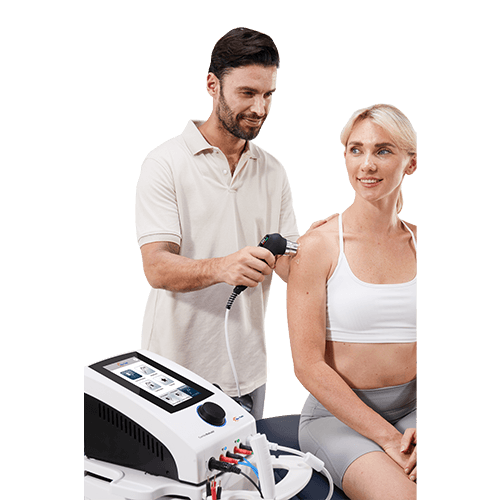
Ultrasound therapy
Sound waves to ease pain and help tissue heal
Learn more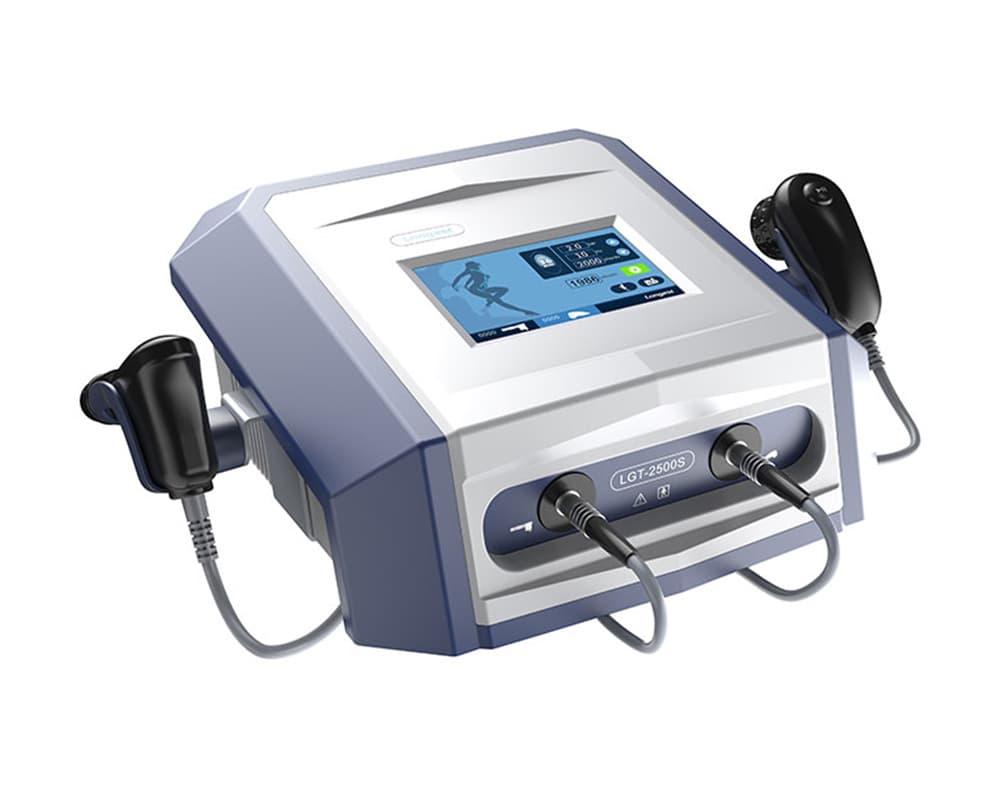
Shockwave therapy
Pressure waves for long-lasting tendon and heel pain
Learn more
Electrical stimulation
Gentle current to ease pain or wake up weak muscles
Learn more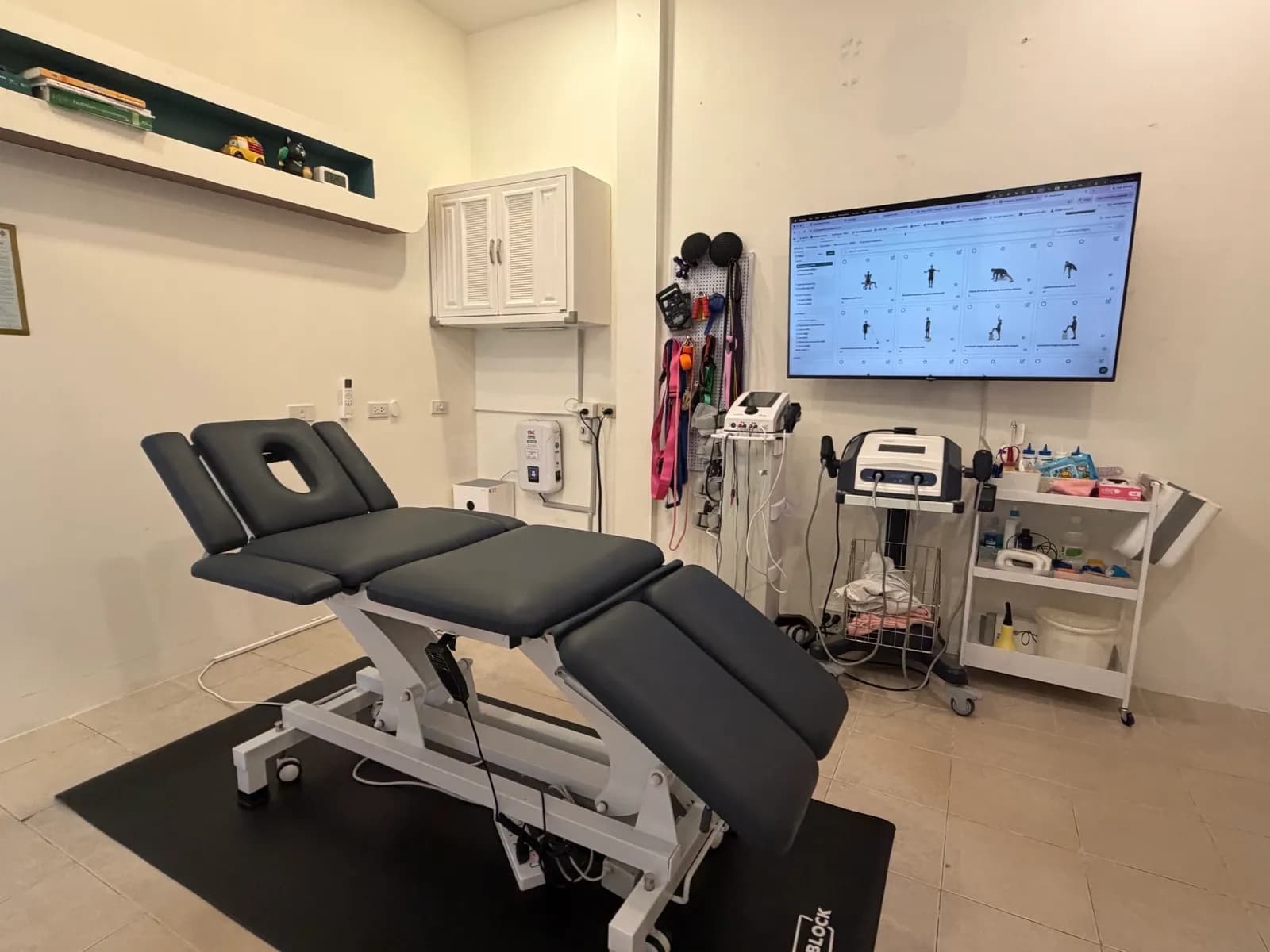
Functional training
Practise real moves: walking, stairs, lifting, sport

Home exercise plan
Exercises to keep improving between visits
Who will treat you
PT Suttida Chooluan
Physiotherapist · licensed by the Physical Therapy Council of Thailand
Treats both local patients and travellers, in Thai and English
View profileChoose your service when booking
Free consultation, 30 min
Not sure yet? A physio assesses you and suggests a plan, at no charge
Book a free consultationPhysiotherapy, 60–90 min
Assessment, hands-on and equipment-based treatment, and a personal exercise plan in one visit
Book for thisInsurance claim documents are issued right after payment
Inside the clinic


486/2 Moo 3, Sala Dan, Ko Lanta, Krabi 81150, Thailand Open Mon–Sat, 9:00 AM – 7:00 PM
Frequently asked questions
I got injured on holiday. Can I claim from travel insurance?
The clinic issues travel or health insurance claim documents right after payment. Coverage depends on your policy.
Can I keep diving or training Muay Thai?
It depends on the type and severity of the injury. Your physio will tell you what is safe and what to avoid for the rest of your trip.
I'm only here a few days. Is that enough?
The first visit focuses on easing pain and showing you how to manage it, with an app-based exercise plan to continue. If you are staying longer, you can book follow-ups.
Should I go to hospital first after a scooter fall?
If you hit your head, have trouble breathing, abdominal pain or a suspected fracture, go to hospital first. Once serious problems are ruled out, you can continue rehab at the clinic.
Hurt yourself on holiday, in Muay Thai training, diving, or in a scooter fall?
See a physiotherapist on Koh Lanta
Your condition is already selected on the booking page, just pick a time. Or message us first.
This page is general information, not a diagnosis. For severe or emergency symptoms, see a doctor immediately.